September 24, 2026
Investing in concrete floor upgrades requires an understanding of material properties, proper installation techniques, and routine care. Applying a professional-grade epoxy floor coating turns ordinary residential or commercial concrete into a seamless, high-performance surface. Whether you are outfitting a busy residential garage or an industrial workshop, a high-quality epoxy floor coating delivers unmatched resistance against chemicals, impacts, and heavy foot traffic. In this guide, we will explore the fundamental characteristics, daily maintenance schedules, and stain-removal procedures needed to keep your floor looking pristine for years to come.
Understanding Epoxy Floor Coating Basics
Examining Composition and Properties of Epoxy Flooring
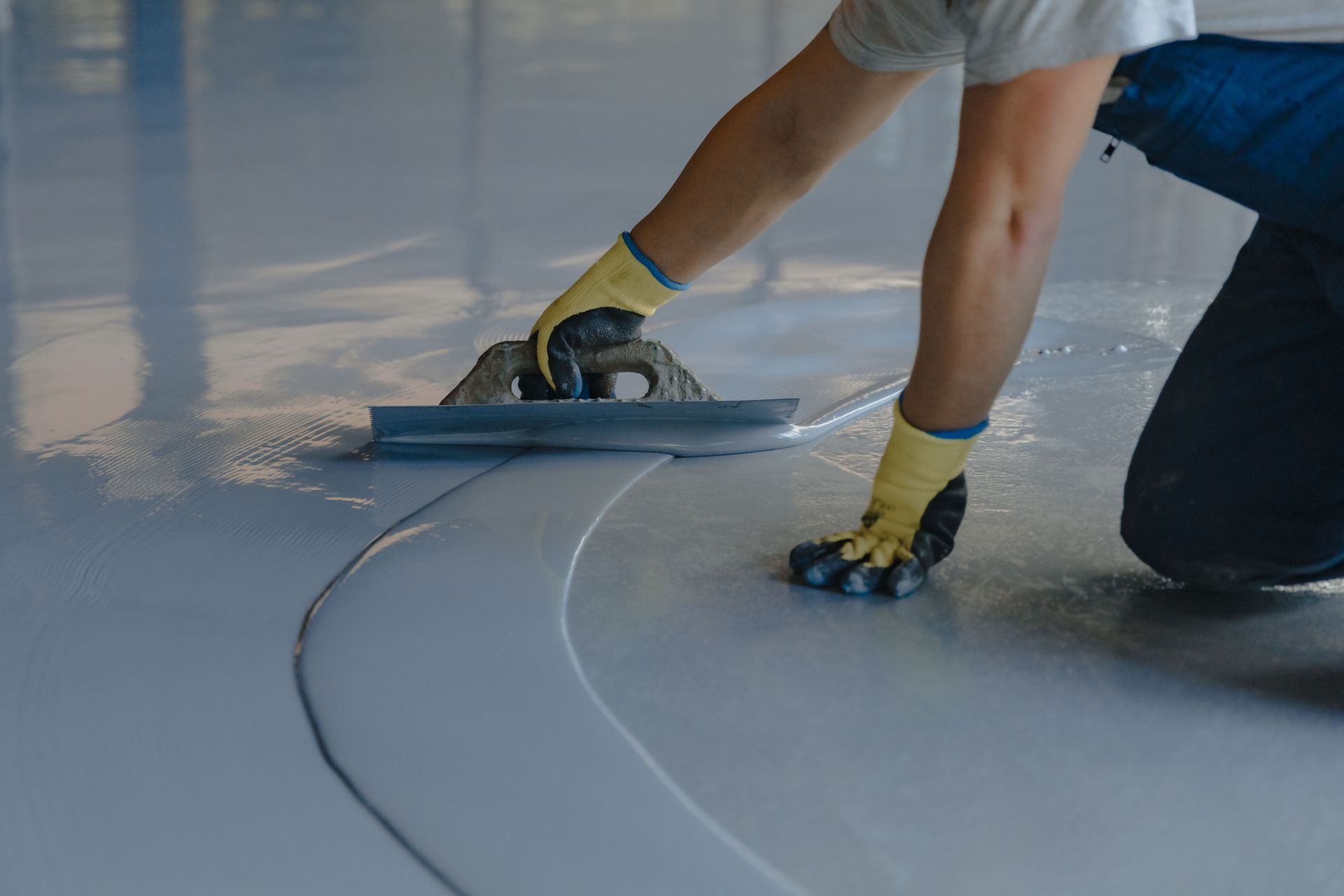
An epoxy floor coating is composed of a combination of two primary components: the resin and the hardener. According to This Old House, these components create a chemical reaction when mixed, resulting in a rigid plastic material that bonds exceptionally well to substrates. This chemical structure offers unparalleled resistance to wear and chemicals, making epoxy floors a popular choice in both commercial and residential settings. Furthermore, epoxy coatings can be customized with various additives to enhance functionality, such as slip resistance or increased sheen. Understanding this composition is essential for anticipating the performance and maintenance needs of your flooring.
Evaluating Benefits of Epoxy Floor Coating
An epoxy floor coating offers numerous benefits that make it an excellent choice for a variety of applications. Its durability is unmatched, providing resistance to abrasion, impact, and chemical spills. Additionally, epoxy floors are easy to clean due to their non-porous surface, which prevents the absorption of spills and stains. The aesthetic appeal of epoxy floors is also a significant advantage, as they can be crafted in numerous colors and patterns to match any decor. Finally, the longevity of epoxy flooring ensures that, with proper maintenance, it remains an economic and sustainable choice over time.
Identifying Common Uses and Applications
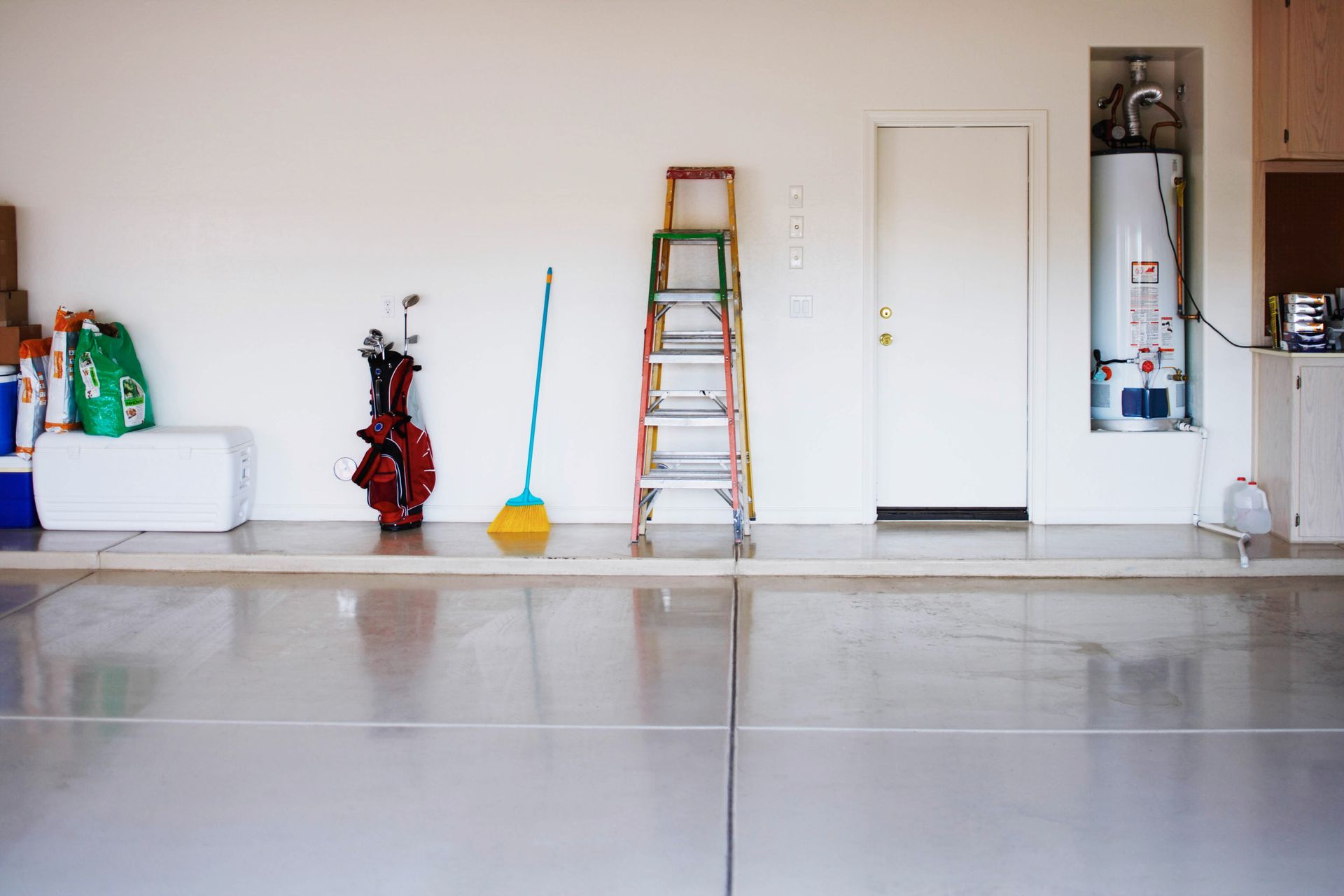
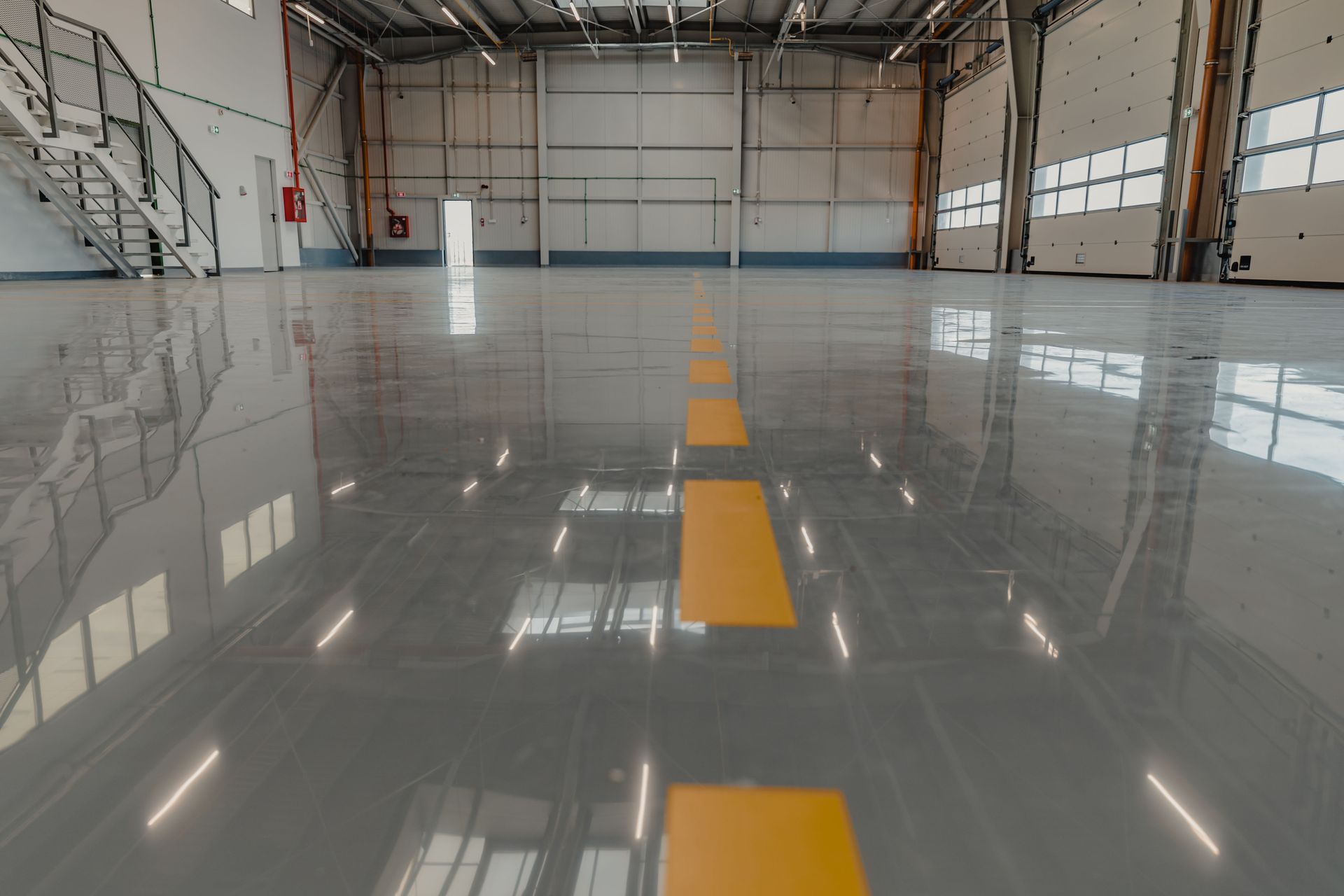
Epoxy flooring is used in a wide range of environments due to its adaptability and durability. In industrial settings, epoxy's resilience against heavy machinery and constant foot traffic makes it indispensable. In commercial spaces, such as showrooms or retail stores, its aesthetic versatility is highly prized. Residential applications include garage floors and basements, where an epoxy floor coating provides valuable resistance to moisture and vehicle fluids. The adaptability of epoxy flooring to various conditions and needs underscores its widespread popularity and utility.
Executing Daily Maintenance Practices
Performing Regular Sweeping and Dusting
Daily sweeping and dusting are essential for maintaining the cleanliness of an epoxy floor. Dust and small debris can cause scratches on the surface, diminishing its shine over time. Using a soft broom or microfiber cloth is recommended to remove these particles without causing any damage. It's important to ensure that dust and dirt are not embedded into the floor, as this can create more significant abrasions. By incorporating regular sweeping into your daily routine, you can maximize the lifespan of your epoxy floor coating.
Selecting Appropriate Cleaning Solutions
Choosing the right cleaning solutions is critical to maintaining the integrity of your epoxy floor. Harsh cleaners, especially those with acidic or abrasive components, should be avoided to prevent damage to the surface. Instead, opt for pH-neutral cleaners that are specifically formulated for an epoxy floor coating. Regular use of suitable cleaning agents helps in preserving the floor's shine and prolonging its resistance to staining. By carefully selecting cleaning products, you protect your investment and keep your flooring looking pristine.
Avoiding Abrasive Cleaning Tools
When maintaining epoxy floors, the tools you use can significantly impact their condition. Abrasive brushes and pads should be avoided as they can leave scratches and dull the surface. Instead, use soft mops or cloths designed for delicate surfaces that will clean without causing damage. Even vacuum cleaners must be chosen carefully, ensuring they have a hard floor setting to prevent scratching the finish. By selecting non-abrasive tools, you safeguard the floor’s appearance and functionality over time.
Implementing Weekly Deep Cleaning Procedures
Mopping with Non-Corrosive Cleaners
Weekly deep cleaning of epoxy floors necessitates mopping with a non-corrosive cleaner to remove built-up grime and dirt. Selecting a gentle, pH-balanced solution specifically designed for an epoxy floor coating will protect its surface while ensuring thorough cleaning. Mopping should be done with care, using a soft mop that won’t scratch the floor. This routine not only enhances the appearance of the floor but also helps in preserving its longevity. Regular deep cleaning is pivotal to maintaining a healthy and aesthetically pleasing floor surface.
Managing Guided Use of Steam Cleaners
While steam cleaning can be beneficial for deep cleansing, it must be used with caution on epoxy flooring. It is crucial to ensure that the steam cleaner is suitable for an epoxy floor coating and does not emit excessively high temperatures, which could compromise the integrity of the surface. When used correctly, steam cleaners can effectively remove embedded dirt and sanitize the area without the need for harsh chemicals. They can reach into crevices and areas that regular mopping might miss, providing a more thorough clean. Regular, careful use of steam cleaning is a valuable addition to your maintenance toolkit.
Inspecting for Scratches and Scuffs
Weekly inspections for scratches and scuffs are vital to address any small imperfections before they become significant issues. Minor scratches may be buffed out with a high-quality epoxy polish, improving both appearance and protection. In contrast, deeper scuffs might require professional intervention to ensure the structural integrity of the flooring. Regular inspections prevent minor damage from escalating, maintaining both the aesthetics and the functional benefits of epoxy flooring. With a diligent weekly review, potential problems can be caught and managed effectively.
Addressing Specific Stains and Damages
Removing Oil and Grease Stains
Oil and grease stains can damage epoxy floors and can be persistent but are not insurmountable with the right approach. Absorbent materials like kitty litter can be used to soak up excess grease before cleaning. Following the initial application, a degreasing agent specifically designed for an epoxy floor coating should be used to lift and remove the stain completely. Persistent scrubbing or using harsh chemicals should be avoided to prevent scratching or dulling the floor's shine. By addressing these stains promptly and effectively, you can maintain the pristine condition of your flooring.
Tackling Rust Spots and Metallic Stains
Rust spots and metallic stains require particular attention due to their stubborn nature and potential to permanently discolor the epoxy surface. Specialized rust-removing products that are safe for epoxy floors can be applied, followed by gentle scrubbing with a non-abrasive pad. It’s essential to avoid using bleach or other acidic cleaners, which may exacerbate the stain or damage the epoxy. Early intervention is crucial to prevent these stains from setting deeply and permanently discoloring the floor. Through careful and prompt handling, rust stains can be effectively managed and minimized.
Handling Chemical Spills Safely
Chemical spills on epoxy floors must be handled with caution to prevent damage and ensure safety. Immediate cleanup with neutralizing agents is advised, followed by a thorough rinse with water. It’s important to use appropriate personal protective equipment during this process to safeguard against any harmful fumes or chemical exposure. By addressing chemical spills quickly, you minimize the risk of etching or discoloration of the epoxy surface. With a careful and informed approach, chemical spills can be managed effectively, preserving both your floor and safety.
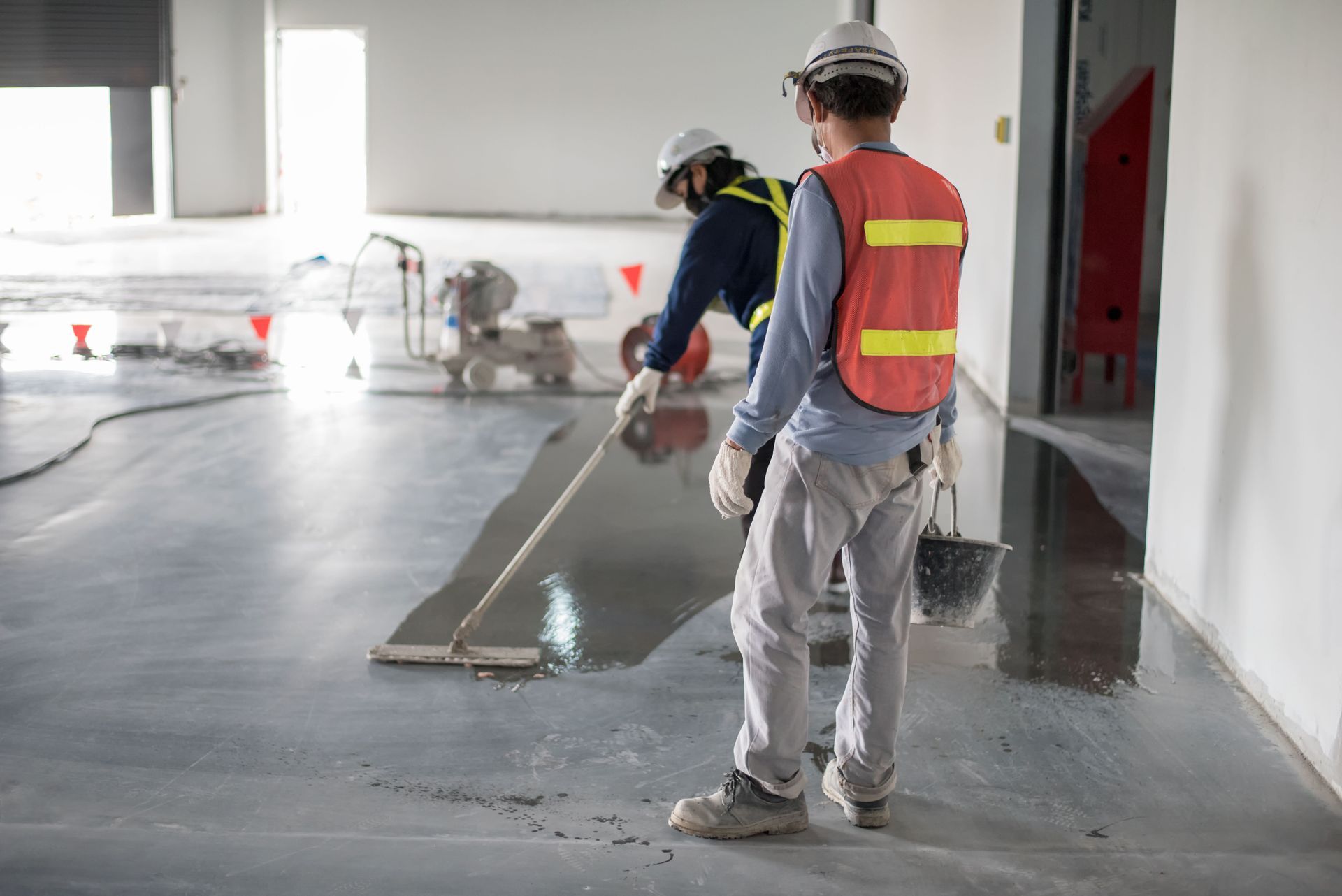
Establishing proper maintenance routines and taking swift action against harsh spills will protect your concrete investment for decades. By opting for a professional installation and following recommended care guidelines, you ensure that your floor retains its durability, chemical resistance, and high-gloss appearance. Partnering with experienced professionals ensures that proper surface preparation and top-tier materials are used during the initial application. Taking a proactive approach to surface care yields an attractive, low-maintenance floor that enhances the value and function of your space.
Transform your concrete surfaces with a durable, high-gloss finish by contacting KC Garage Floors today for a premium epoxy floor coating consultation!