April 23, 2026
Homeowners often focus on color and appearance when thinking about a garage upgrade, but the planning stage matters just as much as the final finish. A garage floor handles vehicle traffic, moisture, dirt, chemical drips, impact from tools, and temperature changes throughout the year. Because of that, scheduling a garage floor coating service should start with a clear understanding of the surface condition, the installation process, and the expectations for long-term performance. The best results come from treating the project as a practical improvement rather than a simple cosmetic change. When homeowners know what affects bonding, durability, and maintenance, they are better prepared to make decisions that support both function and style, budget, and everyday household needs.
Understanding Surface Preparation
The condition of the concrete is one of the most important factors in the success of any coating project. Even a high-quality product can fail if it is applied over dust, grease, existing residue, or damaged concrete. Before a garage floor coating service begins, the surface usually needs to be inspected for cracks, chips, oil stains, and uneven areas. Some floors also have hidden moisture issues that can interfere with adhesion and cause bubbling or peeling later.
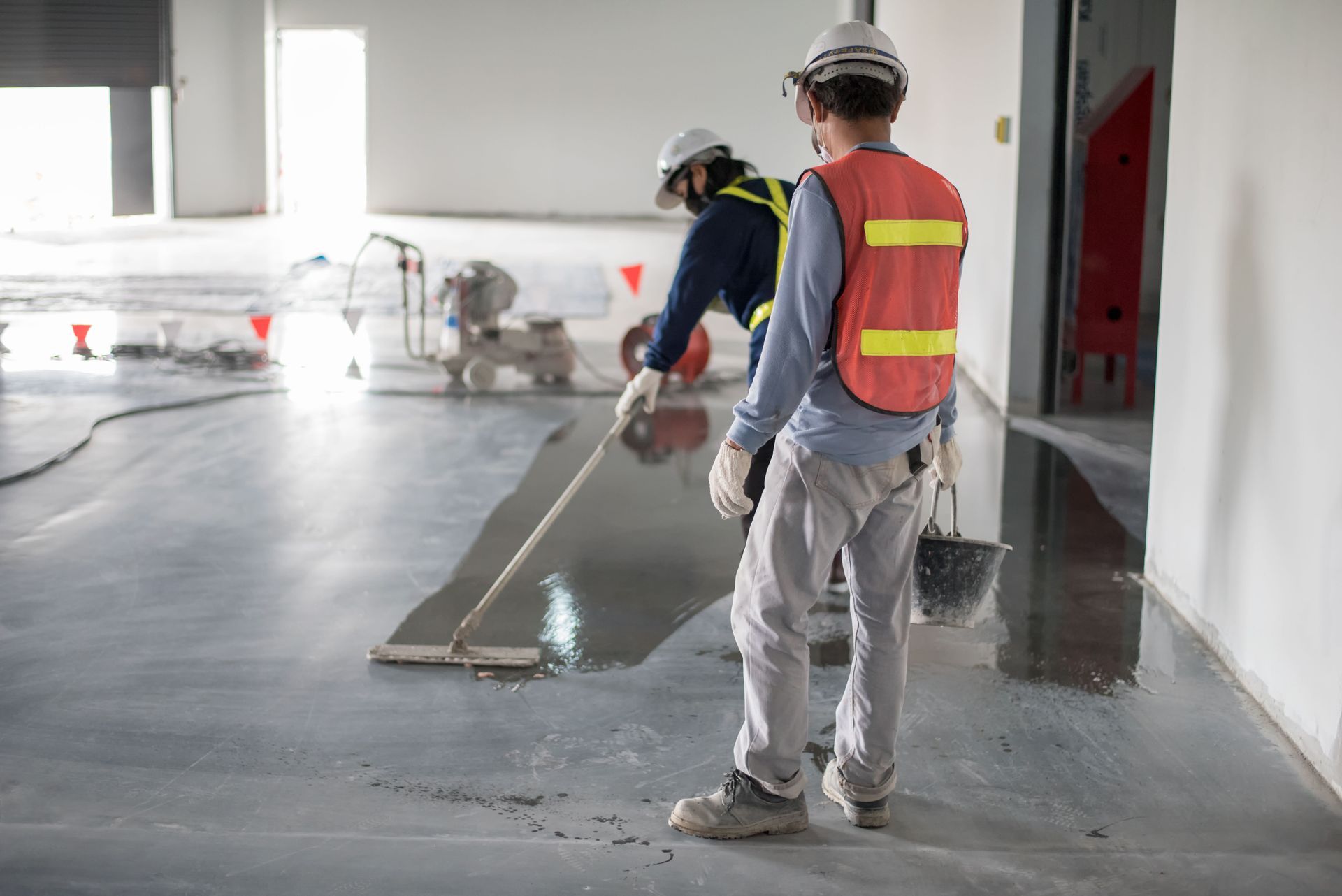
Professional preparation often includes cleaning, repairing minor damage, and mechanically grinding the surface to create the right profile for bonding. This step is not something homeowners should overlook or rush. A smooth-looking slab may still have contaminants embedded in the surface, and those contaminants can weaken the finished coating. Asking how the floor will be prepared gives homeowners a better sense of how seriously a contractor approaches quality. In many cases, the strength of the final result depends less on the coating itself and more on the preparation done beforehand.
Comparing Coating Materials
Not all garage floor systems perform the same way, so it helps to understand the differences between common materials. Many homeowners hear the word epoxy and assume every product offers the same level of protection. In reality, material choice can affect cure time, gloss level, flexibility, chemical resistance, and overall lifespan. According to This Old House, the three main types of epoxy flooring are water-based epoxy, solvent-based epoxy, and 100% solid epoxy. That distinction matters because each option behaves differently under real garage conditions.
When discussing a garage floor coating service, homeowners should ask what product will be installed and why it is suited to their space. Some coatings are designed for lighter residential use, while others are built for heavier wear, hot-tire resistance, and stronger impact protection. Other systems may combine base coats, decorative flakes, and protective topcoats to improve performance. A contractor should be able to explain whether the recommended system prioritizes appearance, durability, stain resistance, or fast return to service. Understanding those trade-offs helps homeowners avoid choosing a product based on price alone.
Addressing Moisture and Damage
Concrete may look solid on the surface, but hidden problems underneath can affect the outcome of the project. Moisture vapor transmission is one of the most common reasons coatings fail prematurely. If water is moving up through the slab, the coating can lose adhesion over time, even if the installation initially looks excellent. That is why a reliable garage floor coating service should include attention to moisture conditions rather than simply applying the product as quickly as possible.
Homeowners should also understand that cracks and pitting may need repair before installation. Some hairline cracks are mostly cosmetic, while others suggest movement or wear that should be stabilized first. Existing damage can show through the final finish if it is not handled correctly, and deeper issues may call for more extensive preparation. It is also important to mention any past flooding, snowmelt buildup, or recurring dampness in the garage. Those details help the installer recommend a system that matches the environment. Taking time to address these concerns early can prevent disappointment and reduce the risk of needing repairs again in the near future.
Planning for Installation Timing
Scheduling is another factor homeowners should think about before committing to the project. A garage floor is not always ready for immediate use after installation, and cure times vary based on the type of product, weather conditions, and layering process. Some systems allow foot traffic within a day, while others need more time before vehicles can return to the space. When planning a garage floor coating service, homeowners should ask for a clear timeline that covers preparation, installation, drying, and full curing.
This is especially important for households that use the garage every day for parking, storage, laundry access, or entry into the home. If the garage serves as a primary access point, even a short disruption can become inconvenient without careful planning and a temporary backup arrangement. Temperature and humidity can also influence installation scheduling, particularly in regions with strong seasonal swings. A reputable contractor should explain whether the project needs specific conditions for the best results and whether the weather could affect the timeline. Knowing what to expect allows homeowners to move vehicles, tools, and stored belongings ahead of time and avoid unnecessary stress during the process.
Evaluating Durability and Maintenance
A coated garage floor can improve the look of the space, but performance should remain the main goal. Homeowners should ask how the finished surface will stand up to tire traffic, dropped tools, road salt, oil, cleaning products, and routine wear. A garage floor coating service is most valuable when it creates a surface that is easier to maintain and better suited to daily use than bare concrete.
That said, even durable coatings still require proper care. Dirt and grit can act like abrasives if they are allowed to build up, and certain spills should be cleaned promptly to protect the finish. Homeowners benefit from asking about recommended cleaning products, safe tools for sweeping or mopping, and any practices that could shorten the life of the coating. It is also helpful to know whether the system includes a topcoat designed to improve scratch resistance or UV stability. A strong installation should make maintenance simpler, but realistic expectations are still important. Understanding how to protect the investment helps homeowners enjoy a cleaner and more polished garage for years.
Choosing Qualified Professionals
The contractor matters just as much as the product. Homeowners should look for a team that can explain its process clearly, answer technical questions, and provide realistic guidance instead of vague promises. Before scheduling a garage floor coating service, it is wise to ask about surface preparation methods, crack repair practices, moisture testing, coating layers, warranty details, and expected lifespan. These questions reveal whether the company is focused on lasting results or only on making a quick sale.
Photos of past work can be useful, but they should not be the only factor in the decision. A beautiful finish on day one does not always indicate long-term quality. Clear communication, written estimates, and a detailed explanation of the installation process often say more about professionalism than appearance alone. Homeowners should also confirm what is included in the quoted price so there are no surprises related to repairs, prep work, or extra coating layers. A well-planned garage floor coating service should leave the homeowner feeling informed, not pressured. Call KC Garage Floors today to schedule your garage floor coating service.